 0
0
 0
0
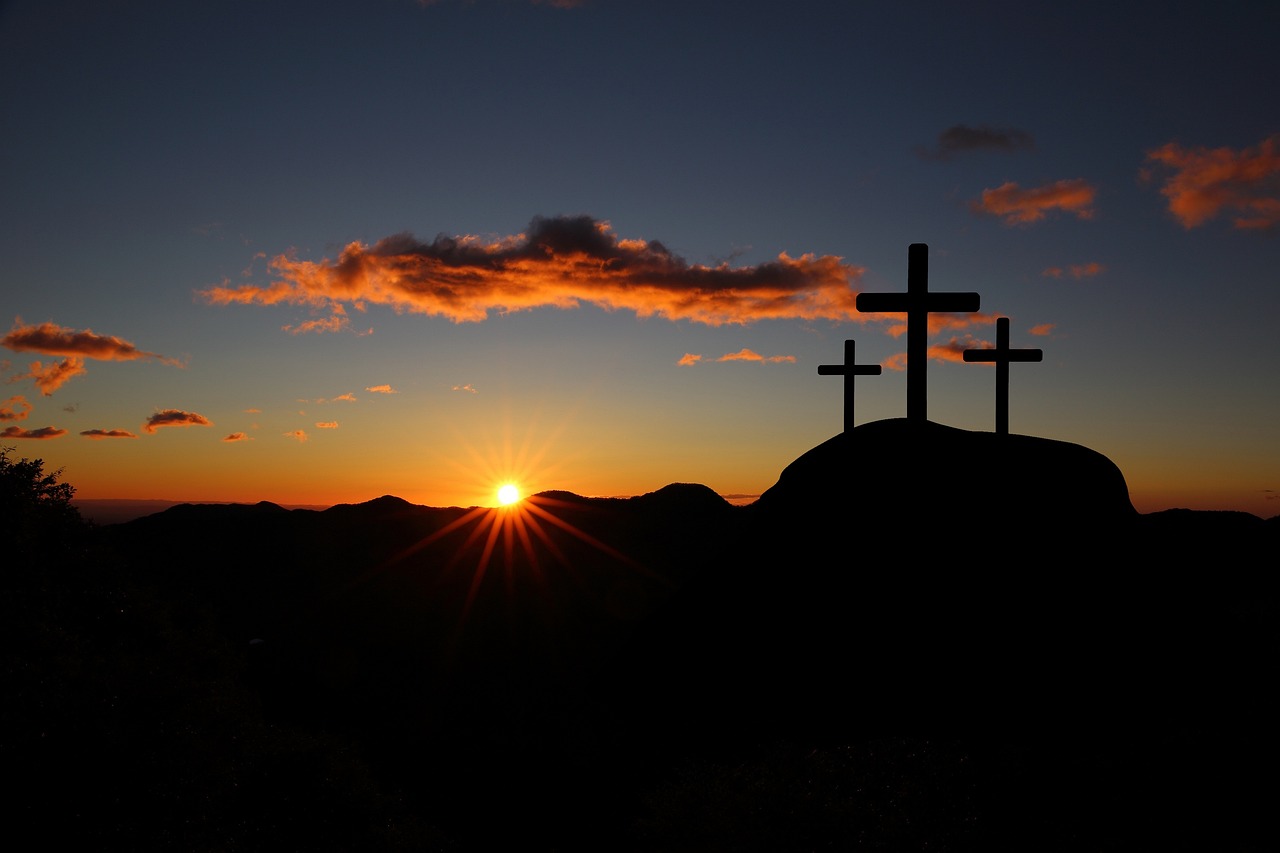
Easter Sunday falls this year on April 5 — a date that, for Christians around the world, marks far more than the arrival of spring. It is the celebration that gathers together the core of the Christian faith: the remembrance of the passion, death, and resurrection of Jesus Christ. Within the rhythm of the liturgical year, Easter stands as the summit, the feast of feasts, the moment when the Christian story reaches its decisive turning point.
A Feast Rooted in the Earliest Church
Easter is the oldest and most tradition‑rich celebration in Christianity. Since the Council of Nicaea in 325 AD, its date has been set as the Sunday after the first full moon of spring — which places it each year between March 22 and April 25. In 2026, that Sunday is April 5.
The origins of Easter are inseparable from Judaism’s Passover. The early Christian community understood the death and resurrection of Jesus in continuity with the story of Israel’s liberation from slavery in Egypt. Just as Passover celebrates freedom and God’s saving action, Easter proclaims a new kind of liberation — from sin, injustice, and death itself.
By the 6th century, the Easter liturgy had taken on the shape still familiar today. The celebration begins on Saturday evening with the blessing of the Easter fire and the lighting of the Paschal candle. Fire, the most ancient symbol of life and renewal, evokes the rising sun — a fitting image for a feast centered on new beginnings. The vigil continues with seven readings from the Old Testament, tracing the great arc of salvation history.
The Resurrection: A Mystery Beyond Description
Interestingly, the Bible never describes the moment of the resurrection itself. Instead, it offers testimonies: encounters with the risen Jesus, the discovery of the empty tomb, and the message of an angel announcing that he has been raised. These accounts form the foundation of Christian hope.
The German Erwachsenen-Katechismus expresses this hope with striking clarity: the resurrection assures believers “that in the end life will triumph over death, truth over lies, justice over injustice, love over hatred — even over death itself.” For Christians, Easter is not merely a commemoration of a past event but a proclamation that this victory continues to shape the world.
Where the Word “Easter” Comes From
The German word Ostern — like the English Easter — has a fascinating linguistic history. Etymologists trace it to the Old Germanic Austro or Ausro, meaning “dawn” or “morning light.” This root is related to the Greek eos, “sunrise.” The earliest known reference to Eostra appears in 738 in the writings of the Anglo‑Saxon monk Bede, who associated the term with a springtime goddess of light.
While many languages use variants of pascha (from the Aramaic pas-cha and linked to the Hebrew Passover), the Germanic world retained its own term — one that evokes light, renewal, and the breaking of a new day. In German, English, Swedish (påsk), French (Pâques), Spanish (Pascua), and even Turkish (Paskalya), the linguistic family tree reveals both shared roots and cultural diversity.
Why Easter Still Matters
In a world often marked by conflict, uncertainty, and rapid change, Easter’s message remains surprisingly contemporary. It speaks of transformation where despair seems entrenched, of hope where endings appear final, and of a love that refuses to be extinguished. For believers, Easter is not only the remembrance of Christ’s resurrection but the promise that renewal is always possible.
As Christians gather this year — in Vienna and across the globe — they do so with a story that has shaped centuries of faith and continues to inspire millions. Easter, at its heart, is the celebration of a dawn that never stops breaking.
- Hector Pascua/picture: pixabay.com



This post has already been read 8134 times!